The Guild

Guild

800 years of history
One of the oldest Guilds of the peninsula... With more than 800 years of history

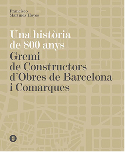
The Guild of Builders of Works of Barcelona and Counties has its origins in 1211, when King Peter the Catholic granted the first privilege: the right of assembly and the power to elect representatives to govern the profession in the Masters of Houses of Barcelona. The 1992 Olympic year was when it was reconstituted as a modern business organization and adopted the name of the current institution

.

Today, the Guild is made up of 1300 companies, mainly from the province of Barcelona and in association with other regional Construction Guilds.

In addition, we are always ready to meet at the headquarters of the entity or at that of your company, to resolve any doubts.

1211
The appearance of the Guild of House Masters
Year in which the Guild of Masters of Houses of Barcelona was established, thanks to a privilege of King Pedro II, which makes it one of the oldest in the peninsula.
1378
First Statutes
The year 1378 marks the beginning of a historic milestone for the Guild. That year the first known statutes of the Guild are approved: the so-called “Ordinations”, the first internal regulations as an organization.
1714
The Guild during the War of Succession
In 1714 the Masters of Houses fought against the troops of Philip V and the new Bourbon authorities put an end to their autonomy.
1828
Dissolution of the Guild. Clandestinity
In 1828 Ferdinand VII dissolved the Guild of Masters of Houses by decree. Even so, the Guild continues to function while the first construction companies appear.
1900
Statutes and first Mutua d'accidents de Catalunya
On 31 July 1900, the Civil Governor approved the statutes of the Guild and in 1904 the Guild created the first Mutua d'accidents de Catalunya
1931
Second Republic and Civil War
The first major strike of the sector came with the Republic, in 1933. The conflict would go as far as the Civil War. In 1936 the Guild ceased to exist due to the collectivization of the companies in the Súnicat Único de la Construcción.
1974
Transition and crisis in the sector
In 1974 the sector entered a major crisis, aggravated by the oil crisis. Meanwhile, with the death of General Franco in 1975, the Guild adapts to the new democratic realities. After a year of slow growth, a moment of bonanza comes.
2026
Transition and crisis in the sector
Today the Builders Guild is aware of the future challenges that must be faced. That is why it remains firm as a non-profit entity that represents and helps the sector. A large number of small and medium-sized construction companies today receive their support to be more competitive and face new challenges with the incorporation of models that adapt to social changes and keep strong the foundations that we began to take root 800 years ago.
1329
A city that is growing. Construction of Santa Maria del Mar
The work of the Guild will gradually shape the city of Barcelona, with the construction of palaces, residences and churches. One of these works will be the Gothic Basilica of Santa Maria del Mar, begun in 1329.
1423
Merger of the Guild of House Masters and Flintstones
In 1423, Queen Mary, wife of Alfonso the Magnificent, granted the privilege of merging the Masters of the Houses and the Stonemasons into a single Guild, to put an end to the rivalries.
1813
New times... the sector is reforming
In 1813 the Courts of Cádiz established the Freedom of Work. The Guild of House Masters, in addition, will find itself in a situation of crisis, aggravated by the French War.
1892
Reinstatement of the Guild. Social conflict
In 1892 the Guild was founded again, now as a modern business organization at a time when the wave of migration from the countryside to the city brought new opportunities for the sector, which grew with the first workers' organizations.
1929
Barcelona International Exhibition
Subsequently, in 1929, the International Exhibition held that year in the city of Barcelona, gave a new impetus to the Guild and projected abroad the work of the city's builders. The Guild will be one of the guests of the Universal Exhibition to show all its splendor.
1952
Postwar and “developmentalism”. The Guild adopts its current name
With the beginning of Francoism began a dark economic period, of scarcity. The contractors, which from 1952 onwards had the current name as the Construction Builders' Guild, did not begin to see growth until the end of the 1950s, at the time of “developmentalism”, a few years of openness and boom in the sector.
1992
Construction Bonanza. Olympic Games, entry into the EEC. The Guild celebrates 100 years of its restoration
The election, in 1986, of Barcelona as an Olympic city and the entry of Spain into the European Economic Community; these are two milestones that relaunch and reactivate construction activity and set it on the path to unstoppable growth.
1211
The appearance of the Guild of House Masters
Year in which the Guild of Masters of Houses of Barcelona was established, thanks to a privilege of King Pedro II, which makes it one of the oldest in the peninsula.
1329
A city that is growing. Construction of Santa Maria del Mar
The work of the Guild will gradually shape the city of Barcelona, with the construction of palaces, residences and churches. One of these works will be the Gothic Basilica of Santa Maria del Mar, begun in 1329.
1378
First Statutes
The year 1378 marks the beginning of a historic milestone for the Guild. That year the first known statutes of the Guild are approved: the so-called “Ordinations”, the first internal regulations as an organization.
1423
Merger of the Guild of House Masters and Flintstones
In 1423, Queen Mary, wife of Alfonso the Magnificent, granted the privilege of merging the Masters of the Houses and the Stonemasons into a single Guild, to put an end to the rivalries.
1714
The Guild during the War of Succession
In 1714 the Masters of Houses fought against the troops of Philip V and the new Bourbon authorities put an end to their autonomy.
1813
New times... the sector is reforming
In 1813 the Courts of Cádiz established the Freedom of Work. The Guild of House Masters, in addition, will find itself in a situation of crisis, aggravated by the French War.
1828
Dissolution of the Guild. Clandestinity
In 1828 Ferdinand VII dissolved the Guild of Masters of Houses by decree. Even so, the Guild continues to function while the first construction companies appear.
1892
Reinstatement of the Guild. Social conflict
In 1892 the Guild was founded again, now as a modern business organization at a time when the wave of migration from the countryside to the city brought new opportunities for the sector, which grew with the first workers' organizations.
1900
Statutes and first Mutua d'accidents de Catalunya
On 31 July 1900, the Civil Governor approved the statutes of the Guild and in 1904 the Guild created the first Mutua d'accidents de Catalunya
1929
Barcelona International Exhibition
Subsequently, in 1929, the International Exhibition held that year in the city of Barcelona, gave a new impetus to the Guild and projected abroad the work of the city's builders. The Guild will be one of the guests of the Universal Exhibition to show all its splendor.
1931
Second Republic and Civil War
The first major strike of the sector came with the Republic, in 1933. The conflict would go as far as the Civil War. In 1936 the Guild ceased to exist due to the collectivization of the companies in the Súnicat Único de la Construcción.
1952
Postwar and “developmentalism”. The Guild adopts its current name
With the beginning of Francoism began a dark economic period, of scarcity. The contractors, which from 1952 onwards had the current name as the Construction Builders' Guild, did not begin to see growth until the end of the 1950s, at the time of “developmentalism”, a few years of openness and boom in the sector.
1974
Transition and crisis in the sector
In 1974 the sector entered a major crisis, aggravated by the oil crisis. Meanwhile, with the death of General Franco in 1975, the Guild adapts to the new democratic realities. After a year of slow growth, a moment of bonanza comes.
1992
Construction Bonanza. Olympic Games, entry into the EEC. The Guild celebrates 100 years of its restoration
The election, in 1986, of Barcelona as an Olympic city and the entry of Spain into the European Economic Community; these are two milestones that relaunch and reactivate construction activity and set it on the path to unstoppable growth.
2026
Transition and crisis in the sector
Today the Builders Guild is aware of the future challenges that must be faced. That is why it remains firm as a non-profit entity that represents and helps the sector. A large number of small and medium-sized construction companies today receive their support to be more competitive and face new challenges with the incorporation of models that adapt to social changes and keep strong the foundations that we began to take root 800 years ago.